Goals
The targets were simple and measurable
Landlord invitations
Applicant completion
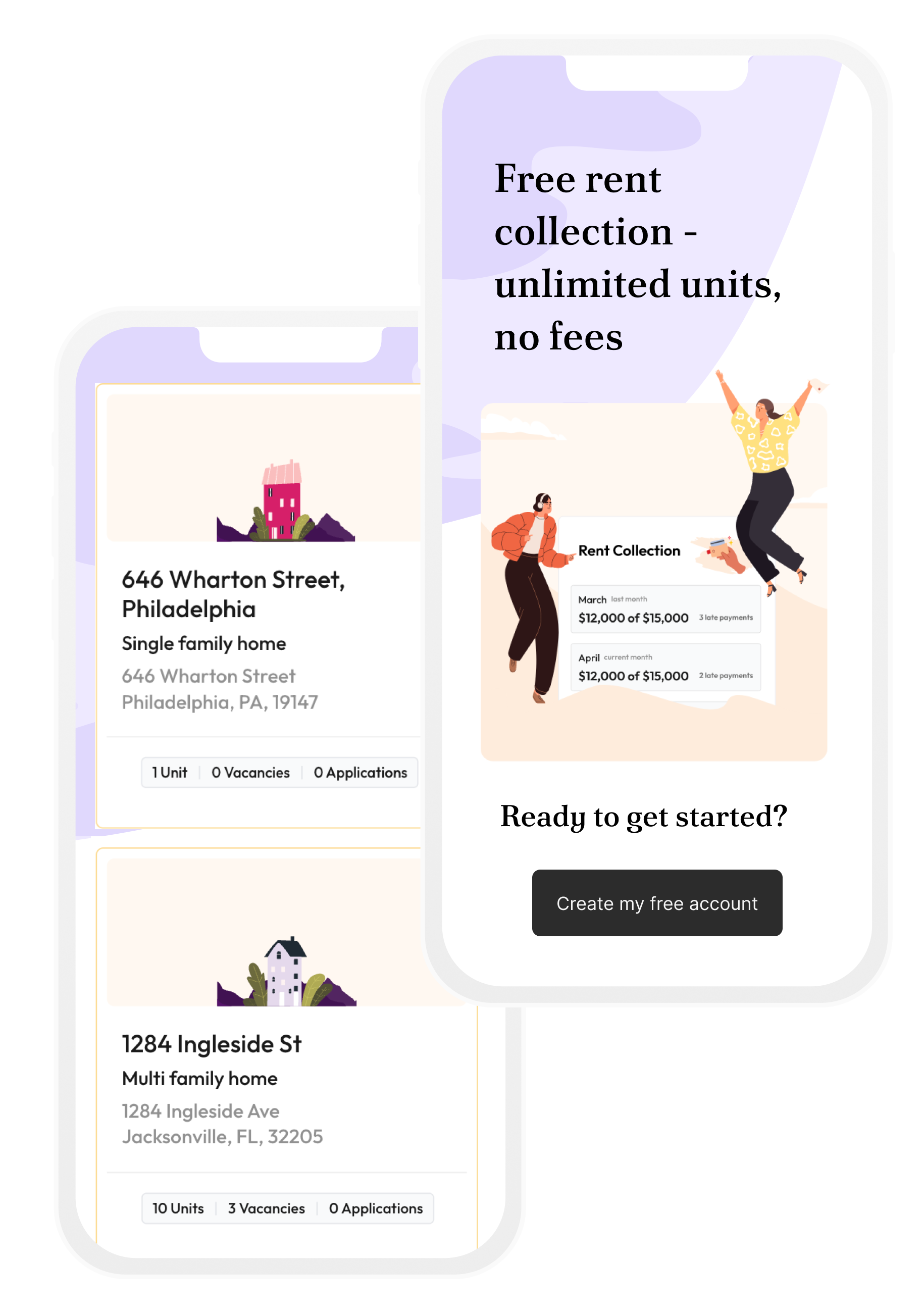
We launched Renter Screening, but like many initial releases, it wasn’t quite hitting the mark. The landlord experience lacked customization, and additional features were needed.
I led the design of the new screening experience, balancing user and business goals to deliver a more flexible and thoughtful experience for landlords and applicants.
The redesigned experience increased applicant completion by 30%, increased completed background checks by 23%, and achieved full compliance with Washington requirements.
Challenge
A new Washington State regulation required landlords to be able to pay part of a renter’s background check fee. Instead of treating this as a compliance-only project, I used it as an opportunity to improve the full screening experience.
Goals
Research insight
“I don’t want to make a mistake that could hurt my rental business.”
Landlord behavior
Design principles
Know what to do, what it costs, and what happens next.
Make landlords feel they are taking the correct action.
Remove unnecessary steps for landlords and renters.
Design system work
The screening workflow depended on applicant cards across multiple states. I used the redesign to reduce duplication and create a reusable component model.
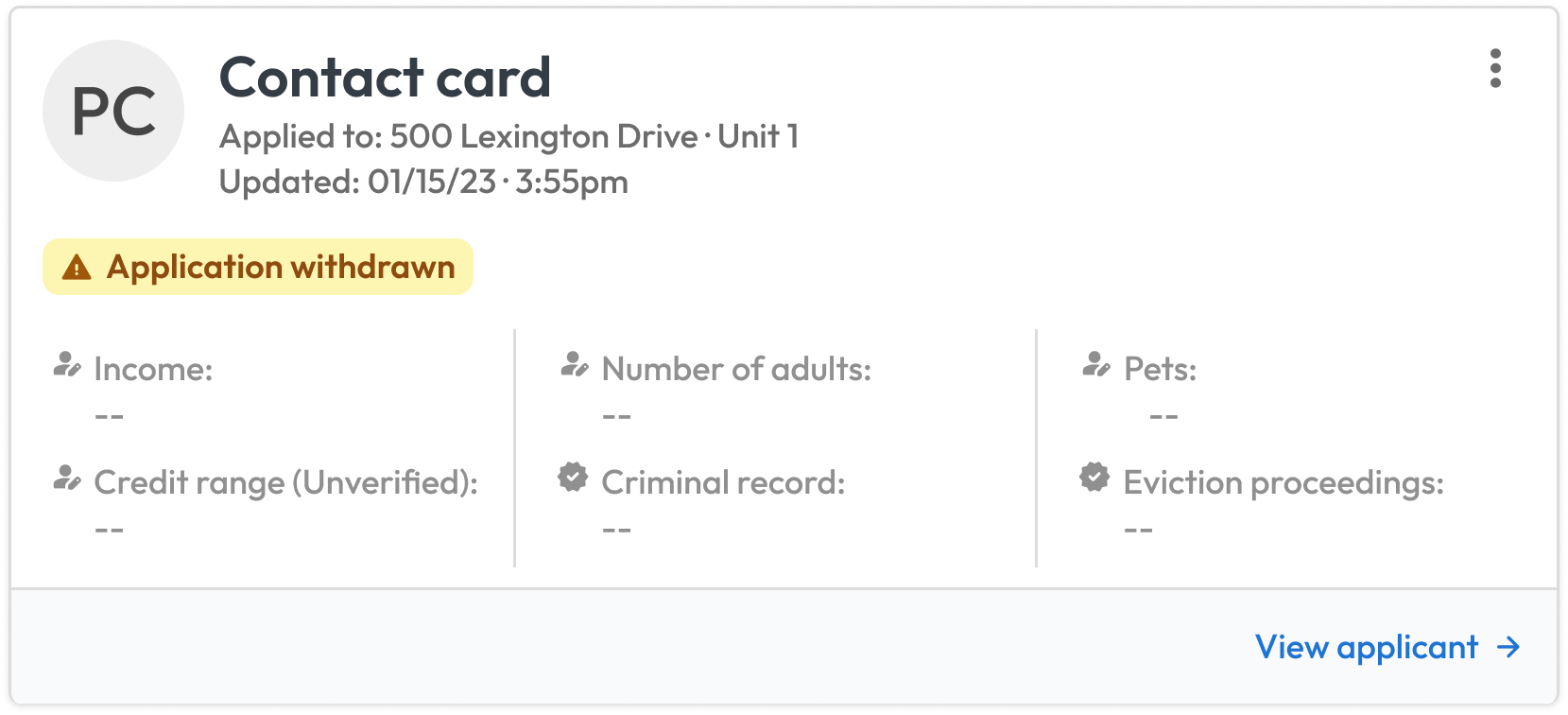
Before · 15+ applicant card variations
After · One scalable component system
Product screens
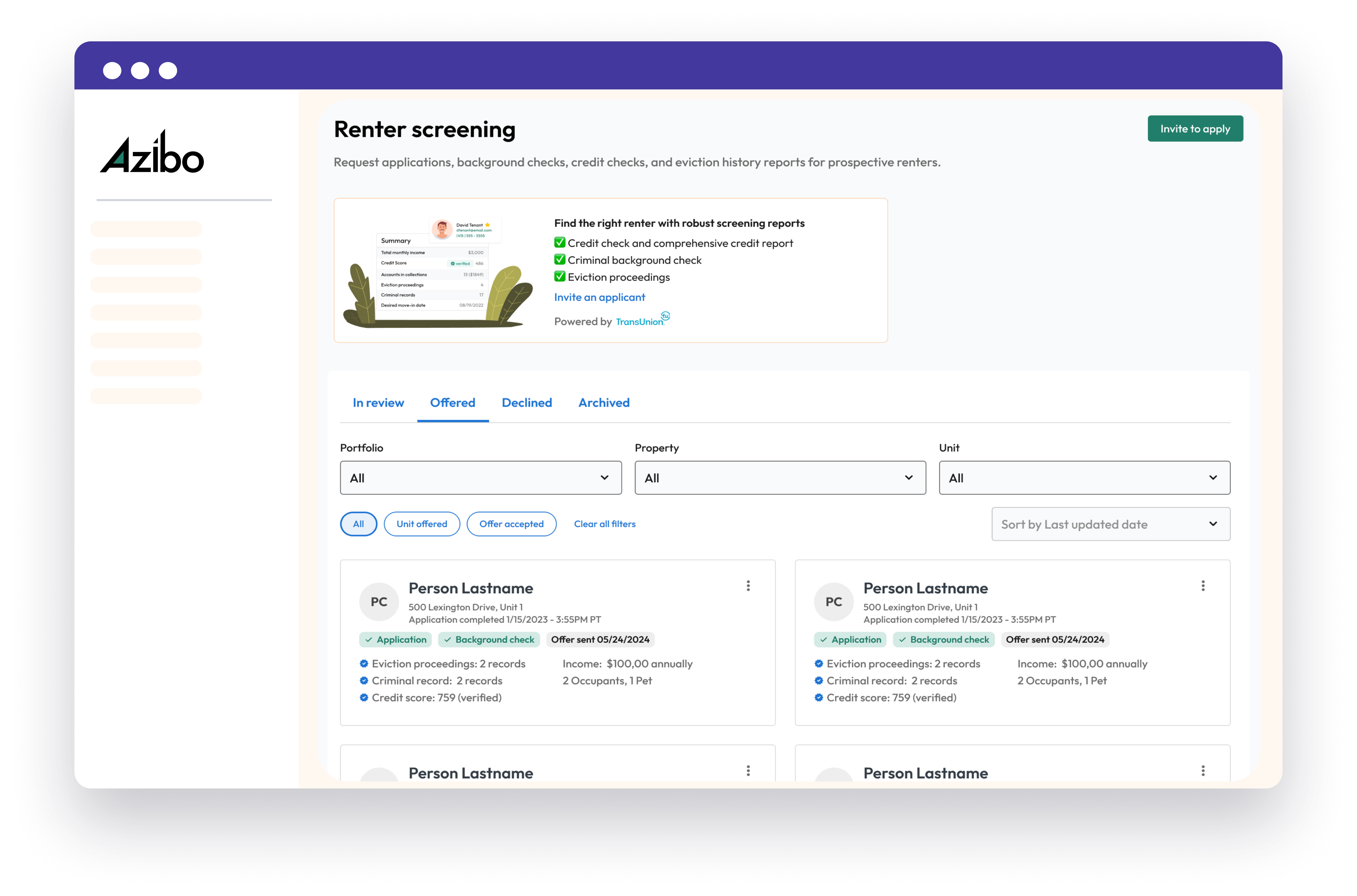 Clear next action
Screening status visible at a glance
Reduced decision-making
I reduced the number of competing decisions and made the next screening action visible from the main dashboard, so landlords could move forward without decoding the workflow.
The applicant experience needed to feel direct and lightweight. The mobile flow focuses each step on one clear action so completion can happen without landlord handholding.
Instead of pushing regulation into help text, the fee model made compliant choices available at the moment landlords configured screening.
Results
More completed screenings also meant more revenue for Azibo.
Business impact
Recognition